
tempered clear glass
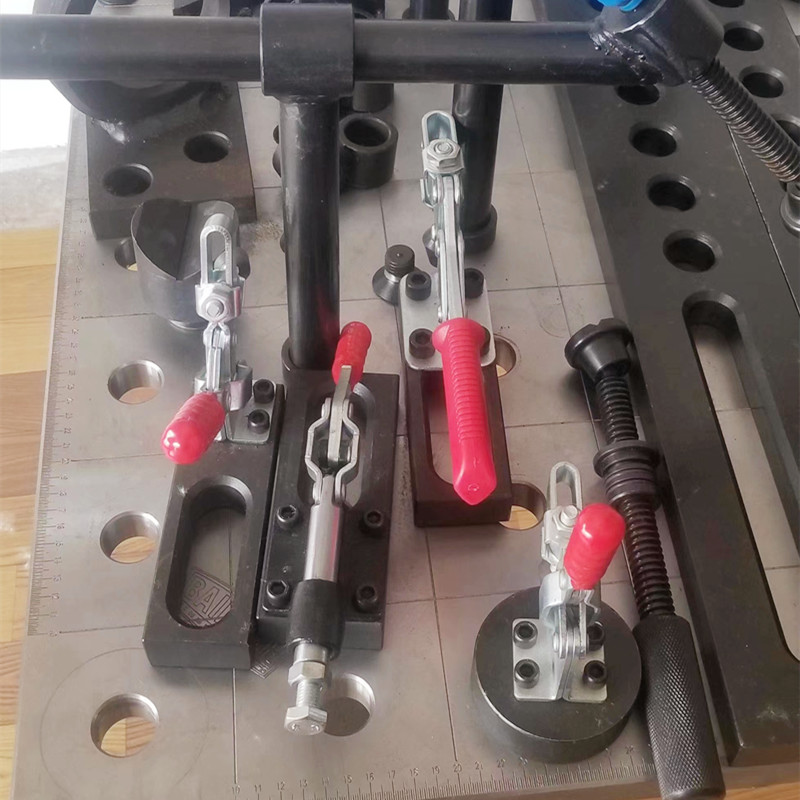
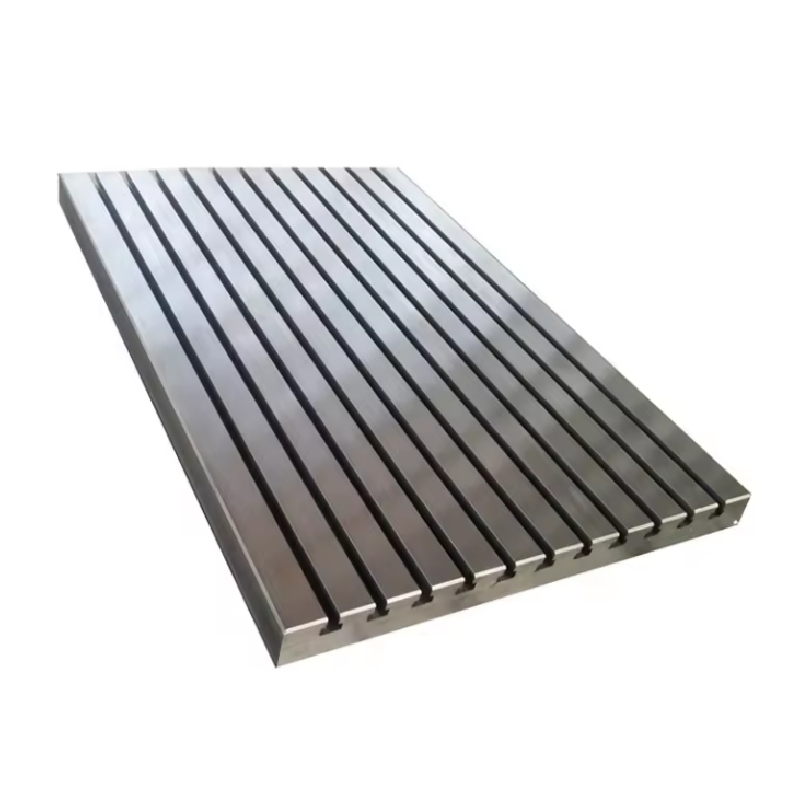
Understanding T-Slot Cast Iron Surface Plates An Essential Tool in Precision Measurement In the world of manufacturing and precision engineering, achieving accurate measurements is paramount. One critical tool that plays a vital role in this process is the T-slot cast iron surface plate. This article delves into the characteristics, uses, and advantages of T-slot cast iron surface plates, highlighting their significance in modern industrial applications. What is a T-Slot Cast Iron Surface Plate? A T-slot cast iron surface plate is a flat, level, stable, and rigid surface designed for the purpose of inspection, marking out, and assembling components. Constructed from high-quality cast iron, these plates are engineered to provide precision and reliability. The unique aspect of a T-slot surface plate is its T-shaped slots, which enable the securement of fixtures and measuring devices, allowing for a versatile range of applications. Characteristics of T-Slot Cast Iron Surface Plates 1. Material The primary material used in the construction of these plates is gray cast iron. This material is favored for its durability, ability to withstand industrial wear and tear, and excellent vibration-dampening properties. 2. Flatness and Stability Surface plates are manufactured to strict tolerances, ensuring their flatness and stability. This precision is vital for achieving accurate measurements during inspections and setups. 3. T-Slot Design The T-slots integrated into the surface provide flexibility in securing measuring instruments or fixtures. This design facilitates ease of use and adjustment, making it a preferred choice in machine shops and laboratories. 4. Size Variability T-slot surface plates come in various sizes, from small handheld versions to large plates used for massive components. This diversity allows them to cater to different industrial needs. Uses of T-Slot Cast Iron Surface Plates T-slot cast iron surface plates serve multiple purposes in manufacturing and engineering processes 1. Inspection and Quality Control These plates are often employed in quality control environments to inspect machined parts. Using precision instruments, operators can measure dimensions and check for flatness, ensuring that components meet specified tolerances. t slot cast iron surface plate 2. Layout and Marking Out Engineers and machinists use surface plates to lay out and mark dimensions on components before machining . The flat surface provides a reference point, making it easier to achieve accurate cuts and shapes. 3. Assembly Work Surface plates are also used as a stable base for assembling components. The T-slots allow for the secure mounting of jigs and fixtures, enhancing productivity and precision during assembly. 4. Testing and Calibration In laboratories, T-slot surface plates are instrumental in testing and calibrating measuring instruments, ensuring that they function within required specifications. Advantages of T-Slot Cast Iron Surface Plates 1. Enhanced Precision The rigidity and flatness of these plates contribute to the accuracy of measurements and setups, reducing the chance of human error. 2. Durability Cast iron is known for its strength and resilience, allowing the plates to endure heavy loads and rough handling without deforming. 3. Versatility The T-slot design permits the attachment of various fixtures and tools, making surface plates adaptable to diverse applications. 4. Vibration Damping The inherent properties of cast iron assist in dampening vibrations, which is crucial when making precise measurements. 5. Cost-Effectiveness While the initial investment may be significant, the durability and functionality of T-slot surface plates make them a cost-effective solution over time. Conclusion In summary, T-slot cast iron surface plates are indispensable tools in precision measurement and engineering. Their unique features, combined with their robust construction, make them ideal for a variety of applications ranging from quality control to assembly. By understanding the advantages and uses of these plates, industries can enhance their operational efficiency and maintain high standards of accuracy in their processes. As technology advances, the relevance of T-slot cast iron surface plates remains steadfast, showcasing their importance in a precision-driven world.
about
tempered clear glass
Small Hole Dial Bore Gauges Precision Tools for Inspection and Measurement In the realm of precision engineering and manufacturing, small hole dial bore gauges stand out as indispensable tools. These versatile instruments are specifically designed to measure the diameter and condition of holes that are too small to accommodate conventional measuring devices. Their importance in various industries, including automotive, aerospace, and electronics, cannot be overstated, as they ensure the quality and performance of critical components. The primary function of a small hole dial bore gauge is to provide accurate and repeatable measurements of holes with diameters ranging from a few millimeters to a couple of centimeters. These gauges consist of a dial indicator attached to a slender probe that can be inserted into the hole. As the probe passes through the hole, the dial indicator records the displacement, which is then converted into diameter readings. The precision of these instruments is achieved through the use of high-quality materials, precise machining techniques, and sophisticated design features. One of the key advantages of small hole dial bore gauges is their ability to measure holes in hard-to-reach or inaccessible areas. This makes them particularly useful in situations where traditional measurement methods are impractical or impossible. For example, they can be used to inspect the bores of engine cylinders, transmission gears, and hydraulic valve bodies, where access is limited due to their complex geometry or inaccessibility. Another significant advantage of these gauges is their versatility Another significant advantage of these gauges is their versatility Another significant advantage of these gauges is their versatility Another significant advantage of these gauges is their versatility small hole dial bore gauge . They can be used to measure the diameter of both internal and external holes, as well as to check the roundness, surface finish, and straightness of the hole walls. This versatility allows engineers and technicians to quickly assess the quality of a component and make informed decisions about further processing or repair work. In addition to their precision and versatility, small hole dial bore gauges are also relatively easy to use. Once properly calibrated, operators can obtain accurate measurements by following a simple set of instructions. This ease of use, combined with their portability and durability, makes them an attractive option for both in-house quality control inspections and on-site field measurements. In conclusion, small hole dial bore gauges are essential tools for ensuring the quality and performance of critical components in a wide range of industries. Their precision, versatility, ease of use, and portability make them an invaluable asset for engineers, technicians, and manufacturers alike. By providing accurate and reliable measurements of small holes, these gauges help to ensure that products meet the highest standards of quality and performance.
-

High quality industrial productsagement

High quality industrial products
View Details -

Meet the diverse needs of customers

Meet the diverse needs of customers
View Details -

Strict quality control

Strict quality control
View Details -

Top raw materials

Top raw materials
View Details -

Trusted supplier

Trusted supplier
View Details
Our application

news and information
y strainer pn16
Understanding Y-Strainers and Their Importance in PN16 Applications In industrial applications, flui
y type suction strainer
Understanding Y-Type Suction Strainers A Comprehensive Guide In various industrial applications, mai
Válvula de retención 8an y su importancia en sistemas hidráulicos.
8an check valve .
 English